
Replacing Old Aluminum Windows in Florida: What to Expect in 2026
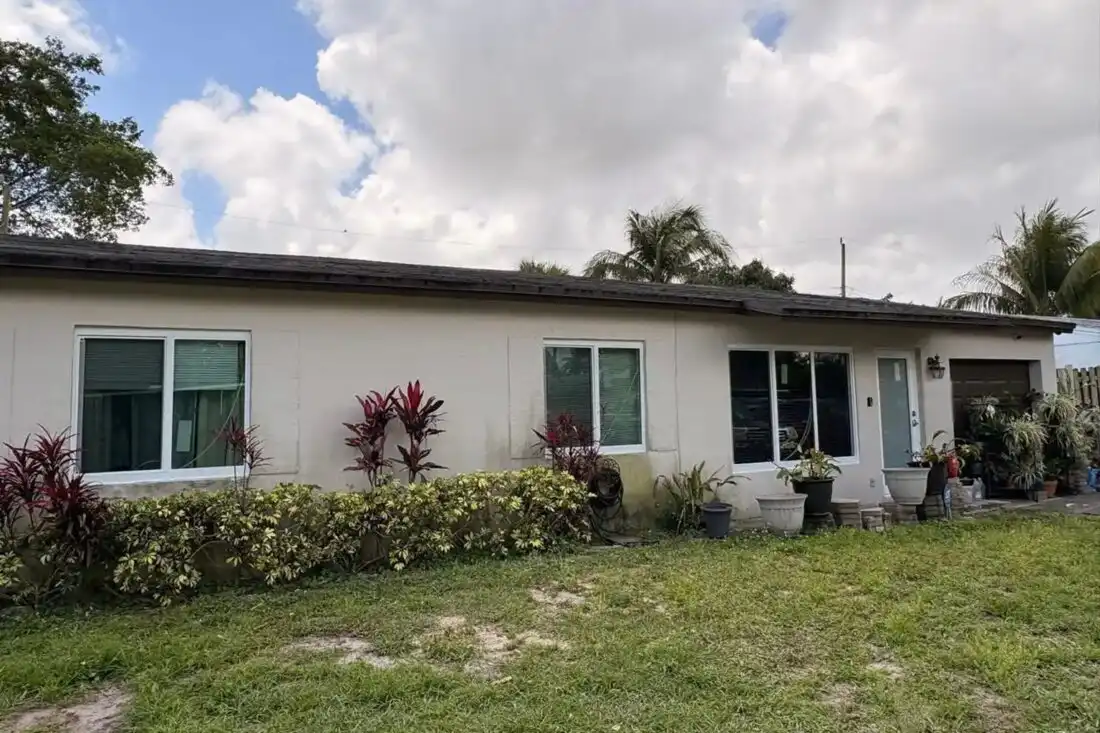
If your South Florida house went up between the 1960s and the early 1990s, the original aluminum windows are probably still in the openings. They still slide, more or less, and the glass is still in one piece. Then hurricane season starts and you look at them differently than you did in January.
Replacing old aluminum windows is the project homeowners here put off for years and then move on quickly, usually once an insurance renewal or a close call with a storm makes the decision for them. In Broward and Miami-Dade it also runs under stricter building rules than almost anywhere in the country.
Here is what replacing old aluminum windows looks like from inside the house: what comes out of the wall, what the county needs to see, the choices you face, and the things that catch people off guard.
Why Replacing Old Aluminum Windows Is So Common Here
In most of these houses nothing has failed dramatically. The window still opens, the glass is intact, and the frame is often the healthiest part of the assembly. What aged out is everything around it: rollers and sash balances wear down, latches stop drawing the sash tight against the weatherstrip, the glazing seal hardens and lets water track in during a sideways rain, and the fasteners holding the frame to the block corrode behind the stucco.
The bigger issue is the glass. Windows from that era are single pane and were never tested against wind-borne debris, because the impact standards that now define construction here arrived after Hurricane Andrew. A single-pane aluminum window is not weak because it is aluminum. It was built to a standard that no longer applies where you live.
So replacing old aluminum windows is rarely a repair decision. Hardware for a forty-year-old line is often discontinued, and a perfectly rebuilt original still leaves you with single-pane glass. Most homeowners get there, stop pricing parts, and start pricing replacement windows.
Aluminum Is Not the Problem People Think It Is
Somewhere in this process someone will tell you aluminum is obsolete. It is not. Aluminum is still one of the main frame materials in impact-rated windows across Broward and Miami-Dade, tested and approved under the same system as vinyl or fiberglass. It carries large openings on narrow frames, which is why newer homes here are full of wide picture windows and tall sliders.
What dates your current windows is single-pane glass, no impact rating, and on many older units no thermal break. Aluminum moves heat readily, so a frame with no insulating barrier inside it sits close to outdoor temperature. That is why it sweats on a humid morning and why the room on that side of the house never quite holds its cool air. Current aluminum frames are available with a thermal break built in, so if condensation is one of your complaints, ask whether the units you are quoted are thermally broken.
The real question is not aluminum or no aluminum. It is which generation of window, and what glass goes in it. Frame material, glass package, and finish are three separate choices, and hurricane impact windows are sold in combinations of all three, though impact frames do sit heavier in section than the thin aluminum they replace, so expect slightly more frame and slightly less glass in the same opening.
What Comes Out of the Wall, and What Gets Patched
There are two broad approaches to replacing old aluminum windows. One leaves the existing frame in the wall and fits a smaller unit inside it. The other takes the frame out entirely, back to the masonry opening, and anchors the new window to the structure. In the High-Velocity Hurricane Zone the second is the norm: an approved impact unit comes with installation instructions specifying how it fastens to the structure, and a forty-year-old frame will not satisfy them.
Old aluminum frames here are usually set into concrete block and stucco, so taking one out disturbs the stucco band around the opening, and inside it can disturb the drywall return or the wood trim. Patching that perimeter and sealing the new frame are part of the window work. Painting, interior trim, and rehanging blinds usually are not, and that line sits in a different place with every contractor, so get it in writing before anyone starts.
The disruption is usually smaller than people brace for. Work generally proceeds opening by opening rather than stripping the whole house at once.
Permits, Product Approval, and the Final Inspection
Broward and Miami-Dade are the Florida Building Code’s High-Velocity Hurricane Zone. The code defines that zone as those two counties and nothing else, and holds work there to its own requirements. Every window going into the house has to be an approved product, with the documents proving it filed alongside the permit application: either a Miami-Dade Notice of Acceptance or a statewide Florida Product Approval that covers the HVHZ.
The order matters. Your licensed contractor pulls the permit before anything is removed, with the product approvals and fastening details attached, and Florida requires a notice of commencement recorded and posted at the property before the first inspection. Then an inspector confirms the windows in your walls are the approved products in the permit file, anchored the way the approval requires. The manufacturer’s label on each unit is what makes that check possible, which is why installers ask you to leave the stickers on the glass until the inspection clears.
Do not treat the inspection as a formality. The permit stays open until it passes, and an open or expired permit surfaces years later during a sale or a refinance. Ask for the closed permit and the approval paperwork, and keep both with your insurance documents, because when an inspector fills out the state’s wind mitigation form on your house, documented opening protection is what they are looking for.
The Decisions That Catch People Off Guard
The first surprise is pleasant: you are not obligated to put back what was there. An old aluminum slider can return as a single hung, a casement, or a fixed picture unit. That changes how much air the opening actually moves, where the screen sits, and what you reach across at a kitchen sink. Walk the house room by room and decide each opening on its own merits.
The second is that the slow part of replacing old aluminum windows is the deciding, not the installing. Impact windows are built to your measurements, so once the order is submitted, changing a size, a style, or a frame color sends you back to the start of the manufacturing queue. If an association reviews exterior changes where you live, start that application early, and know how long the whole process takes before you plan around a month.
A few smaller ones. Phasing the house is allowed, but each phase carries its own permit and inspection, and the cost per opening moves the wrong way. Funding is a separate track, and between the My Safe Florida Home grant and PACE assessments there are more routes than most homeowners realize. And flag any bedroom window during the measurement, because sleeping rooms carry their own emergency escape and rescue requirements under the residential code.
Where to Start With Your Own Windows
Replacing old aluminum windows is a bigger decision than it looks from the driveway and a smaller disruption than most people fear. What goes sideways is almost always paperwork and expectations rather than glass.
We are an authorized PGT dealer, including the former CGI lines, and a certified general and glazing contractor, and on a project like this we pull the permit with the product approvals attached and carry the job through the county inspection. We also carry ECO Window Systems, ES Windows and ESR Impact System. One thing stays with you by law: the notice of commencement has to be signed by the owner. If you want someone to walk your openings and tell you plainly what your project involves, contact us or call 954-989-7722.